
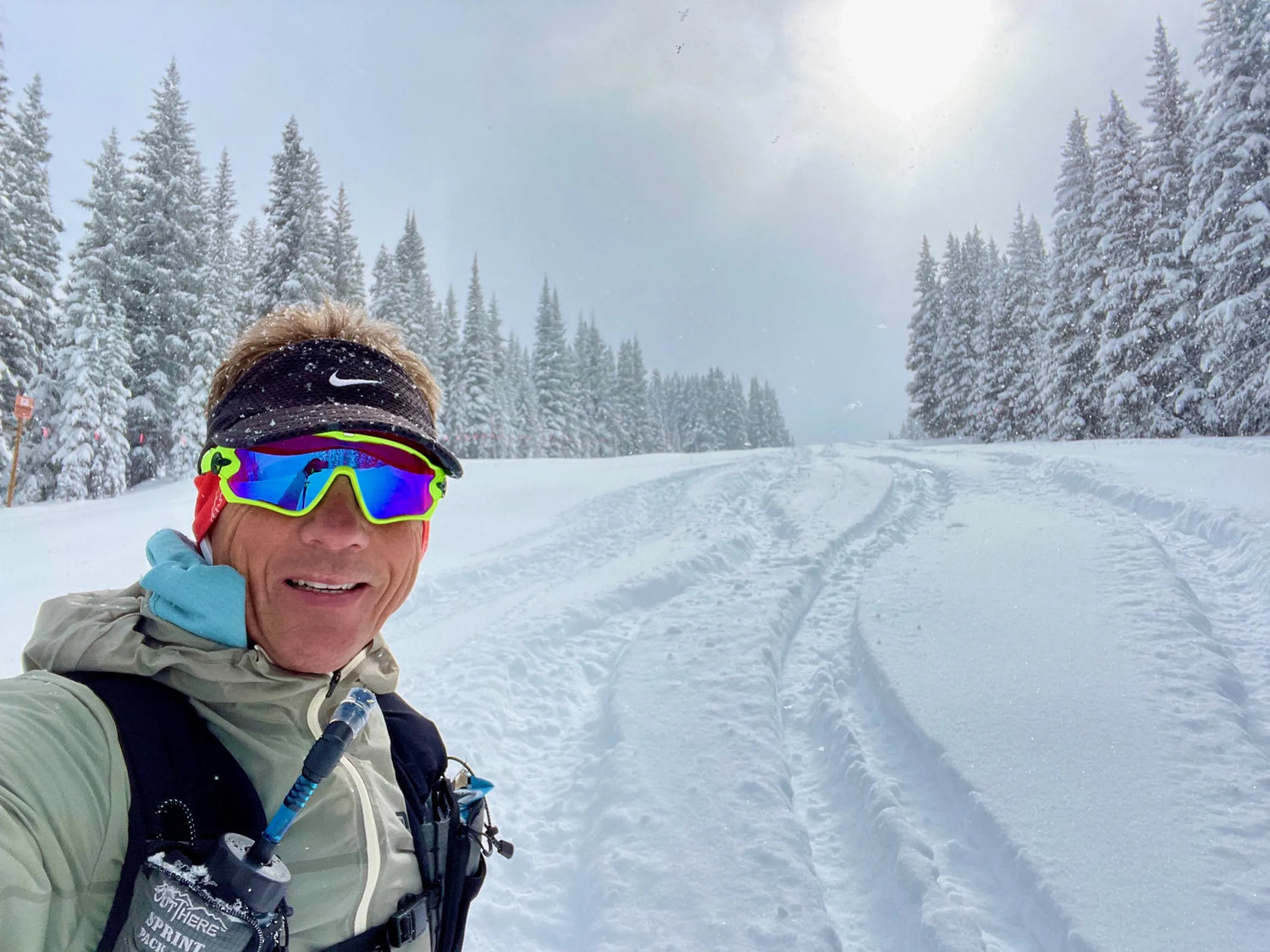
If you’re getting into adventure racing, your backpack matters more than you think.
I’ve gone through a lot of different setups over the years. Some feel great for the first hour, then start shifting. Some work fine on a hike but fall apart once you add a bike. And some just don’t hold up when conditions change and you’re dealing with terrain, weather, and fatigue all at once.
That’s the thing about adventure racing. It’s not one discipline. It’s a mix of hiking, biking, navigation, and sometimes more. Your gear has to work across all of it, not just one part.
So instead of giving you a generic breakdown, I’ll walk through what actually matters in an adventure racing backpack, what I use, and what I’d recommend depending on how you race.

What Actually Matters in an Adventure Racing Backpack
Most people start by looking at capacity or features. That’s not where I start.
For me, a good adventure racing backpack comes down to how it performs when you’re moving. Not standing still. Not packing it at home. Actually moving.
There are a few things I don’t compromise on:
- Stability when running or riding
- Balanced weight distribution over long hours
- Quick access to gear without stopping
- Materials that handle weather without becoming a problem
If a pack doesn’t do those things, it doesn’t matter how many features it has. You’ll feel it immediately once the pace picks up.
The Biggest Mistake I See
Most people choose the wrong adventure racing backpack because they think bigger is better.
They go for more capacity, more pockets, more options. What they end up with is a heavier pack that slows them down and makes movement less efficient.
In racing, efficiency matters more than capacity.
You don’t need more space. You need the right amount of space.
My Approach to Choosing Backpack Size
For me, it always comes back to the type of day or race.
I don’t use one pack for everything. I use different sizes depending on what I’m doing, and that’s the approach I’d recommend.
When I Use a 30L Adventure Racing Backpack
This is my go-to for faster, more controlled days.
If I know the conditions, I’m not carrying extra gear, and I want to move efficiently, I’ll always choose a 30L. It keeps everything tight and forces me to be intentional with what I bring.
A 30L adventure racing backpack works best for:
- Shorter races
- Training sessions
- Mountain biking-focused efforts
- Situations where weight and movement matter most
You feel the difference immediately. Less weight, less movement in the pack, and better overall efficiency.

When I Switch to a 45L Adventure Racing Backpack
There’s a point where going light stops being the right decision.
If I’m heading into longer races, unpredictable weather, or anything that requires extra layers or gear, I move up to a 45L. That extra space isn’t about comfort. It’s about being prepared.
A 45L adventure racing backpack makes sense when:
- The race is long or multi-day
- Weather conditions can change quickly
- You’re carrying additional gear or food
- You’re attaching gear externally
Once you’re in those conditions, trying to force everything into a smaller pack usually creates more problems than it solves.

30L vs 45L Adventure Racing Backpack Comparison
| Feature | 30L Adventure Racing Backpack | 45L Adventure Racing Backpack |
|---|---|---|
| Best For | Short races, training, biking | Long races, multi-day events |
| Weight | Lighter, faster | Heavier, more stable |
| Gear Capacity | Minimal, essential gear | Full kit, extra layers |
| Movement | High mobility | More structured carry |
| Flexibility | Limited | High |
The difference isn’t just size. It’s how the pack changes your movement and your decisions throughout the day.
How This Compares to USWE Hajker and Similar Packs
A lot of people look at packs like the USWE Hajker when they’re getting into adventure racing.
They’re well-designed for certain use cases, especially:
- Short, high-intensity efforts
- Hydration-focused setups
- Lightweight carry
And for that, they work.
But where they fall short, in my experience, is versatility.
Adventure racing isn’t predictable. You’re not just running or riding. You’re switching between disciplines, dealing with terrain changes, and adjusting to conditions.
Most minimalist packs, including the Hajker, start to struggle when:
- You need more gear
- The race goes longer than expected
- You’re carrying layers or additional equipment
They’re built for efficiency in a narrow use case. That’s fine, but it’s limiting.
Why I Prefer a More Versatile Adventure Racing Backpack
For me, the priority isn’t just speed. It’s adaptability.
I want a pack that works across:
- Hiking
- Biking
- Mixed terrain
- Changing weather
And I don’t want to think about it once I’m moving.
That’s the difference between a pack that works in theory and one that actually works in practice.
Where OutThere Fits as an Adventure Racing Backpack
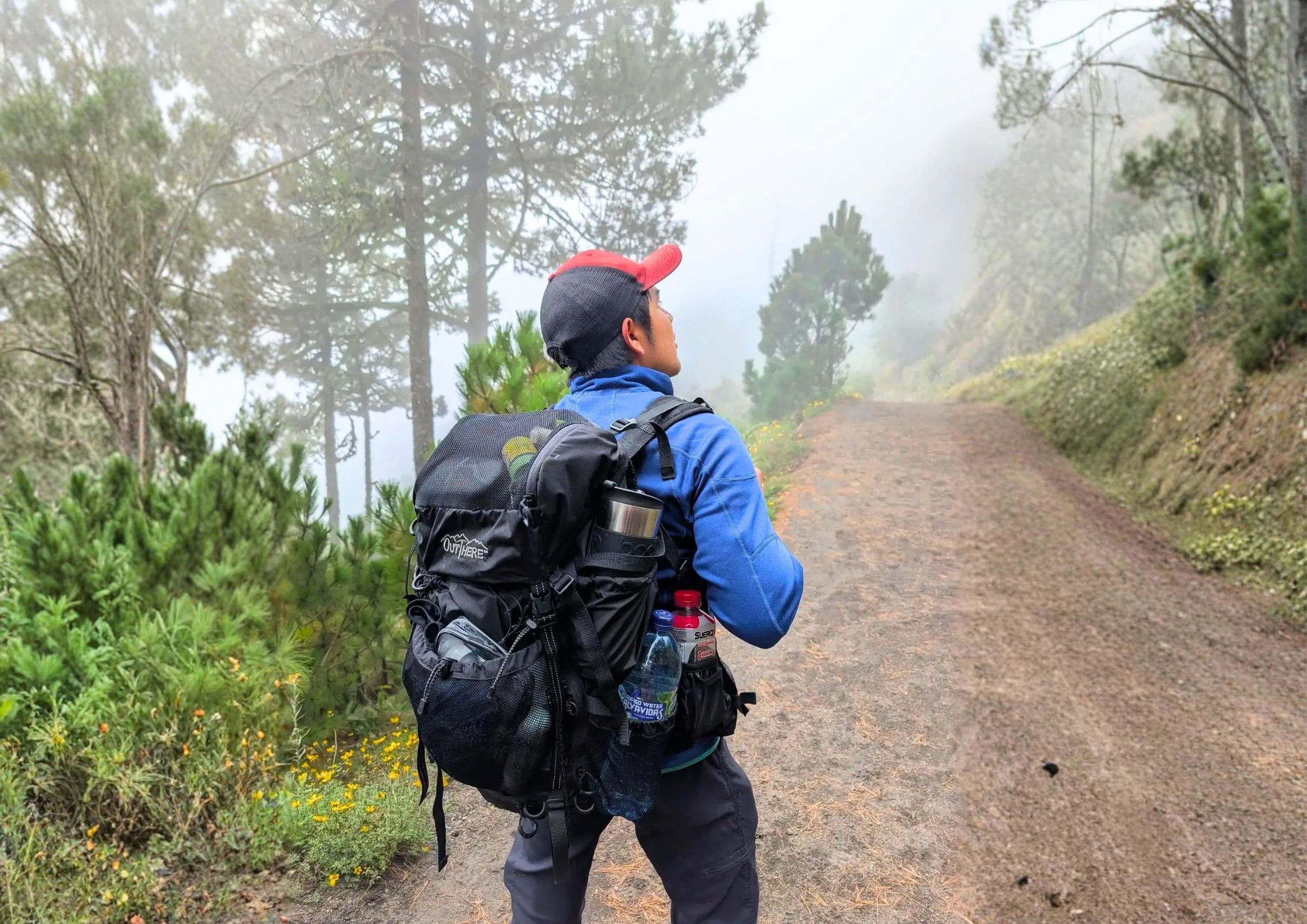
This is where I think the OutThere packs stand out.
They’re not built around one specific activity. They’re built around movement and real conditions.
OutThere 30L Adventure Racing Backpack
This is what I’d recommend for:
- Training
- Short races
- Faster-paced efforts
It stays stable, doesn’t shift, and keeps your load controlled. That’s exactly what you want when efficiency matters.
OutThere 45L Adventure Racing Backpack
This is what I’d recommend for:
- Longer races
- Multi-discipline events
- Unpredictable environments
It gives you the space to carry what you need without compromising comfort or stability. That balance is what most packs miss.
Definitive Recommendation
If you’re choosing an adventure racing backpack, keep it simple:
- Use a 30 Liter adventure racing backpack for speed, efficiency, and shorter efforts
- Use a 45 Liter adventure racing backpack for endurance, flexibility, and longer races
If you’re serious about the sport, you’ll probably end up needing both.
Final Thoughts
Adventure racing is unpredictable. Your gear should reflect that.
The right backpack isn’t the one with the most features. It’s the one that lets you move without thinking about it.
For me, that comes down to choosing the right size for the day and using a pack that’s built for real conditions, not just ideal ones.
That’s the difference between getting through a race and actually performing in it.

Leave a comment
This site is protected by hCaptcha and the hCaptcha Privacy Policy and Terms of Service apply.