
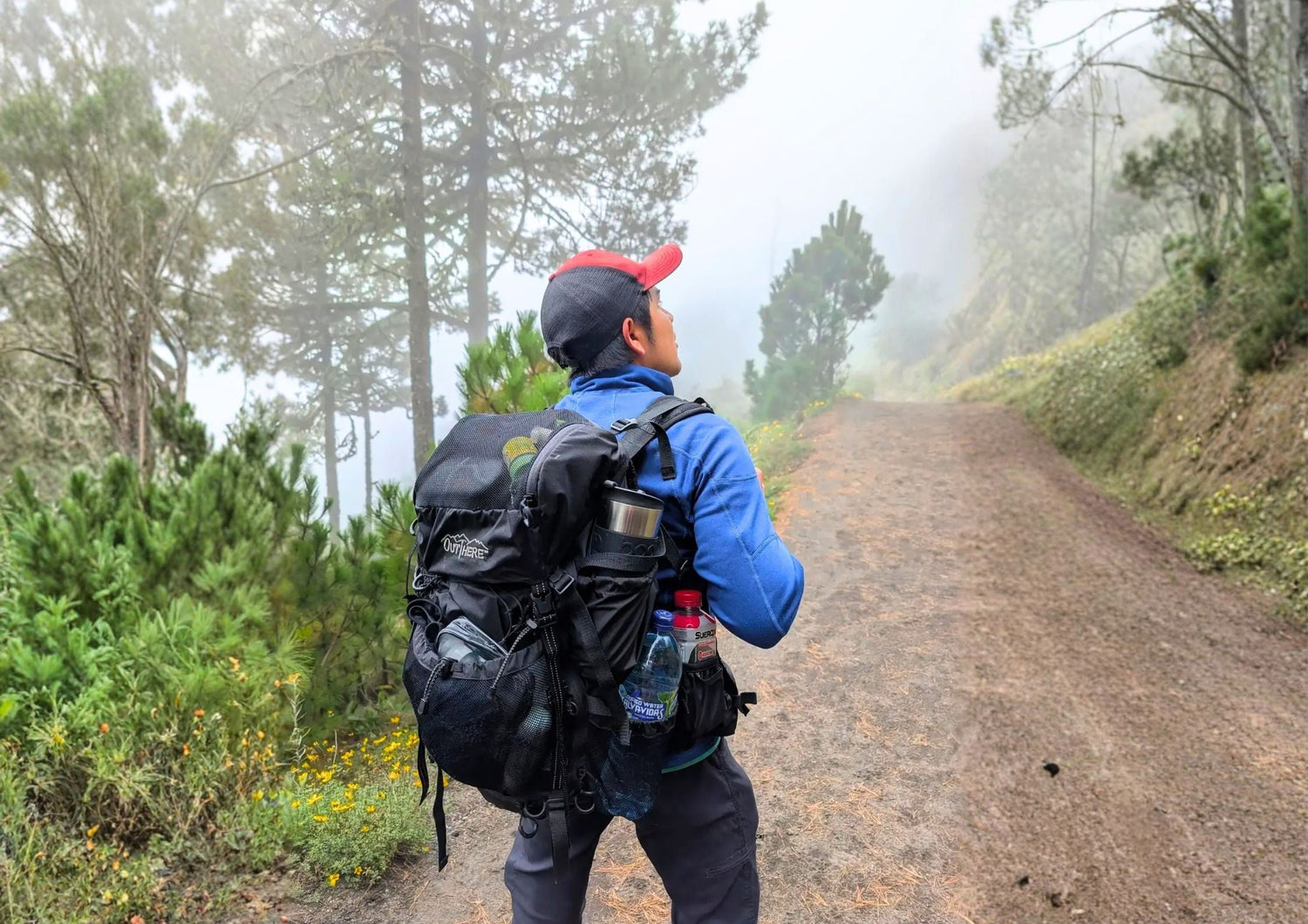
Choosing the right backpack isn’t about specs. It’s about how you move.
Most people start by comparing numbers. 30 Liters vs 45 Liters. On paper, it feels like a small difference. But once you’re out on the trail, halfway through a long day, or trying to move efficiently over rough terrain, that difference becomes a lot more noticeable.
A pack that’s too small forces you to leave things behind. A pack that’s too big slows you down and adds weight you don’t need. The goal isn’t to carry more. It’s to carry what actually matters.
This is where most people get it wrong. They choose based on what they might need instead of how they actually use their gear.
The Real Difference Between 30L Backpack and 45L Backpack
At a glance, the difference is just 15L. In reality, it changes how you pack, how you move, and how your day feels.
A 30L backpack is built around efficiency. It keeps your load tight and forces you to be intentional. A 45L gives you more flexibility. More space, more margin, and more room to adapt when things change.
Neither is better. They just solve different problems.
Our Perspective on Choosing the Right Size
This decision comes down to how you actually use your pack.
If your moving fast or keeping things simple, always reach for a 30 Liter Backpack. That’s day hikes, rides, or anything where you know what you need and don’t expect the day to change much. A lighter pack makes a difference. You feel it on climbs, on descents, and over the course of the whole day.
But there’s a point where that setup stops working.
If you're heading into the mountains for a full day, dealing with unpredictable weather, or carrying extra gear, switch to a 45 Liter Backpack. Once you start adding layers, food, or external gear, the extra space isn’t optional. It’s necessary.

Why Choose a 30L Backpack
For most people, a 30L is the most versatile size. It covers a wide range of use without adding unnecessary weight.
A 30L Backpack works best when your focus is efficiency and movement. It keeps things simple and forces better packing decisions.
A 30 Litres backpack is ideal for:
- Day hikes
- Mountain biking
- Fast and light missions
- Travel carry-on setups
- Minimalist packing
Because of its size, you naturally carry less. That usually leads to a better experience overall. You move easier, fatigue less, and spend less time managing your gear.

When a 45L Backpack Makes More Sense
A 45L Backpack starts to make sense when your day gets bigger or less predictable.
Longer hikes, changing weather, or multi-day trips all require more flexibility. Extra layers, more food, and bulkier gear add up quickly.
A 45 Liters backpack is the better choice for:
- Multi-day hikes
- Longer or more demanding routes
- Variable weather conditions
- Carrying bulkier gear
- Winter or alpine environments
There’s also a comfort advantage over longer periods. A properly loaded 45L distributes weight better when you’re carrying more, which matters when you’re out for hours at a time.

30L vs 45L Backpack Comparison
| Feature | 30 Liter Backpack | 45 Liter Backpack |
|---|---|---|
| Best For | Day trips, biking, light hiking | Multi-day trips, heavier loads |
| Weight | Lighter, more agile | Heavier, more stable |
| Packing Style | Minimal, efficient | Flexible, gear-heavy |
| External Gear | Limited | Ideal for added gear |
| Comfort Over Distance | Great for shorter days | Better for long-duration use |
| Versatility | High for daily and travel use | High for outdoor and extended use |
What Most People Get Wrong About Backpack Size
Most people plan for the best-case scenario. Clear weather, simple routes, and predictable days.
But that’s rarely how it goes.
Weather shifts. Plans change. You end up carrying more than expected or needing something you didn’t bring. That’s where the wrong pack size becomes a problem.
Choosing between a 30L and a 45L isn’t just about today’s plan. It’s about how much margin you want when things don’t go perfectly.
How to Choose Based on Your Activities
The easiest way to decide is to look at how you actually spend your time outdoors.
For hiking, shorter day trips usually fit comfortably within a 30L. As soon as you move into longer days, higher elevation, or more unpredictable conditions, a 45L becomes the better option.
For mountain biking, a 30L Backpack is almost always the right choice. You want something that moves with you, not something that feels bulky or restrictive.
For travel, a 30L keeps things simple and mobile. If you’re traveling longer or carrying more varied gear, a 45L gives you the flexibility you’ll need.
For camping or multi-day trips, a 45L Backpack isn’t optional. It’s the baseline.
Packing Style Plays a Bigger Role Than You Think
Two people can take the same trip and need completely different pack sizes.
If you naturally pack light and stick to essentials, a 30 Liters will take you further than you think. If you prefer having extra layers, backup gear, or more flexibility, a 45 Liters will make your life easier.
It’s less about rules and more about being honest with how you pack.
Where OutThere 30L and 45L Fit In
Both packs are designed for real use, not just capacity.
The OutThere 30L is built for movement. It’s clean, efficient, and versatile enough to handle most day-to-day outdoor use. If you’re hiking, biking, or traveling light, it gives you what you need without slowing you down.
The OutThere 45L is built for bigger days. It gives you the space and flexibility to handle longer trips, changing conditions, and additional gear without compromising comfort.
A Simple Way to Decide
If you’re unsure, keep it simple.
Choose a 30 Liters if your priority is:
- Moving fast
- Staying light
- Keeping things simple
Choose a 45 Liters if your priority is:
- Flexibility
- Preparedness
- Handling longer or more demanding days
Final Thoughts
There isn’t a perfect size. There’s just the size that matches how you actually get out there.
A 30L keeps things simple, efficient, and fast.
A 45L gives you space, flexibility, and margin when you need it.
The key is choosing based on real use, not assumptions.
FAQs
Is a 30 Liters backpack big enough for hiking?
For most day hikes, yes. A 30L has enough space for layers, food, water, and basic gear. As soon as you move into longer days, changing weather, or higher elevation, you’ll start to feel the limits.
When should I choose a 45 Liters backpack instead?
A 45L makes more sense when your day is less predictable or you’re carrying more. That includes multi-day trips, colder conditions, or any situation where you need extra layers or gear.
Can you use a 45 Liters backpack for day hikes?
You can, but it’s usually more than you need. A larger pack often means extra weight and bulk, which can slow you down. Most people are better off with a 30L for shorter trips.
Is a 30 Liters backpack enough for travel?
For short trips or carry-on travel, a 30L works well. It keeps things simple and forces you to pack efficiently. For longer trips or more gear-heavy travel, a 45L gives you more flexibility.
What size backpack is best for multi-day hikes?
A 45L is the better option for multi-day use. It gives you space for extra clothing, food, and gear without needing to overpack or strap everything to the outside.
How do I know if my backpack is too small?
If you’re consistently strapping gear to the outside, overfilling compartments, or leaving essentials behind, your pack is too small. That’s usually a sign to move up in size.
Does a bigger backpack mean more comfort?
Not necessarily. Comfort comes from fit and weight distribution. A bigger pack can feel better if you’re carrying more, but if it’s half empty, it can actually feel less stable.
Should I go bigger if I’m unsure between sizes?
Only if your trips actually require it. Most people benefit more from a slightly smaller pack that keeps things efficient. Go bigger if you know you’ll need the extra space.
What’s the biggest mistake people make when choosing backpack size?
Planning for the best-case scenario. Most people don’t account for weather changes, extra layers, or longer days. That’s where the wrong size starts to show.

Leave a comment
This site is protected by hCaptcha and the hCaptcha Privacy Policy and Terms of Service apply.