
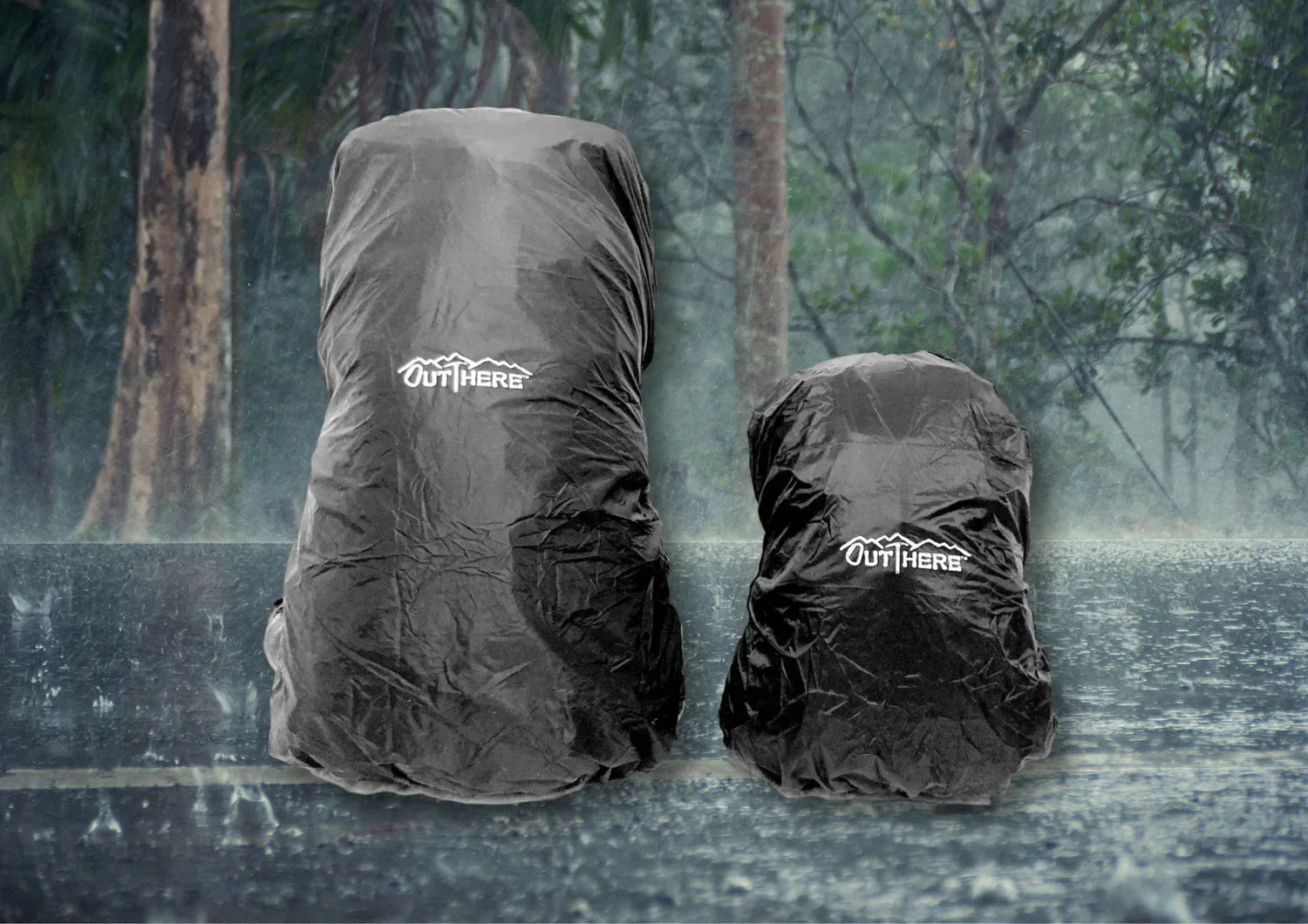
Weather in the mountains doesn’t wait for you to be ready. You can start a ride or hike under clear skies and get caught in rain before you’ve even hit your turnaround point. When that happens, your gear is either protected… or it’s not.
A backpack rain cover isn’t the most exciting piece of gear, but it’s one of those things you don’t think about until you really need it. And by then, it’s too late.
What Is a Rain Cover for a Backpack?
A backpack rain cover is a lightweight, waterproof layer that fits over your pack to keep rain out.
Simple in concept, but in the right conditions, it makes a big difference. Packs aren’t fully waterproof, and once water gets in, it doesn’t leave easily. That means wet layers, soaked food, and gear that’s harder to rely on when you need it most.
Do You Actually Need a Backpack Rain Cover?
Not always.
If you’re heading out for a short trip in stable weather, you can probably get away without one. But if you’re spending time in the mountains, on long rides, or anywhere weather shifts fast, a rain cover is worth carrying.
It’s one of those pieces of gear that feels unnecessary, right up until it isn’t.
Why a Backpack Rain Cover Matters
If everything in your pack can get wet, eventually it will. It doesn’t take much rain to soak through fabric, especially over time.
A rain cover gives you a simple layer of protection. It won’t make the weather better, but it will keep your gear from getting wrecked when conditions turn.
And when you’re hours from the trailhead, that matters.
Types of Backpack Rain Covers (And What Actually Matters)
Not all rain covers are built the same, but most fall into a few categories:
Universal Rain Covers
Designed to fit a range of pack sizes. They’re flexible, but the fit isn’t always perfect, especially in wind or rough terrain.
Trail-Specific Rain Covers
Built for outdoor use, with better materials and a more secure fit. If you’re regularly on trails or in the mountains, this is where you want to be.
Packable Rain Covers
Lightweight and easy to stash. These are the ones you throw in your pack and forget about, until the weather turns.
Fully Waterproof Covers
Designed for sustained rain. Stronger materials, fewer failure points, and better performance when conditions don’t let up.
At the end of the day, the right choice depends on where you’re going and how much you’re carrying.
What to Look For in a Backpack Rain Cover
You don’t need a long checklist, but a few things actually matter:
1. Fit Comes First
If it doesn’t stay secure, it won’t do its job. A loose cover shifts, exposes your pack, and lets water in.
2. Material That Can Handle Abuse
Trail conditions aren’t clean. Branches, rocks, and movement will test your gear. Look for ripstop materials that won’t tear easily.
3. Packability
If it’s bulky, you won’t bring it. And if you don’t bring it, it’s useless.
4. Real Waterproofing
There’s a difference between “water-resistant” and waterproof. In light rain, both work. In sustained weather, only one does.
5. Visibility
Not essential, but helpful. Reflective details can make a difference in low light or bad weather.
Everything else is secondary.
Choosing the Right Rain Cover Size
Sizing is where most people get it wrong.
Too small, and parts of your pack stay exposed. Too big, and it shifts around while you’re moving.
Small (15-30L)
Best for day packs and lighter setups. If you’re riding, hiking, or moving fast without extra gear strapped on, this usually gets the job done.
Large (30-45L)
The better option if you’re carrying more, or attaching gear like a sleep pad or tent. Once you start adding volume outside your pack, you need the extra coverage.
If you’re between sizes, go larger. Coverage matters more than a perfect fit when the weather turns.

A Note on OutThere Rain Covers
The rain covers we run are built for real conditions, not just light rain. They’re made from lightweight 70D silicon-impregnated ripstop nylon, which holds up when the weather doesn’t cooperate.
The one-piece construction is something most people overlook, but it matters. No seams means fewer places for water to get in during sustained rain.
Both sizes pack down into an integrated pouch, so they’re easy to stash in your pack and forget about, until you need them.
If you’re running an AS or 45L pack and attaching gear underneath, it’s worth going with the large cover to make sure everything stays protected.
How to Use a Backpack Rain Cover (The Right Way)
It’s simple, but a few details make a difference:
- Pull the cover over your pack fully, don’t leave gaps
- Make sure it’s secured underneath, especially in wind
- Avoid overloading your pack in ways that stretch the cover
A properly fitted rain cover should stay in place without constant adjustment.
How to Maintain Your Rain Cover
If you want it to last, don’t ignore it after a trip.
- Let it dry fully before storing
- Wipe off dirt and debris
- Check for small tears or wear
- Reapply waterproofing if needed over time
It’s a small piece of gear, but it does a big job.
Backpack Rain Cover vs Waterproof Backpack: What’s Better?
A waterproof backpack sounds like the better option, but in reality, most packs aren’t fully waterproof.
Even with treated materials, water finds its way in through seams, zippers, and prolonged exposure.
A rain cover adds a dedicated outer layer of protection, and that’s often more reliable in real conditions.
Quick Comparison: Small vs Large Rain Covers
|
Feature |
Small (15-30L) |
Large (30-45L) |
|
Best For |
Day trips, light setups |
Longer trips, heavier loads |
|
External Gear Coverage |
Limited |
Full coverage |
|
Fit |
Tighter, minimal |
|
|
Pack Compatibility |
MS / AS |
AS / 45L |
A backpack rain cover isn’t something you think about on a good day. But when the weather shifts, and it will, you’ll be glad you have it.
It’s a small addition to your setup that protects everything else you’re carrying.
And OutThere, that’s worth it.

Leave a comment
This site is protected by hCaptcha and the hCaptcha Privacy Policy and Terms of Service apply.